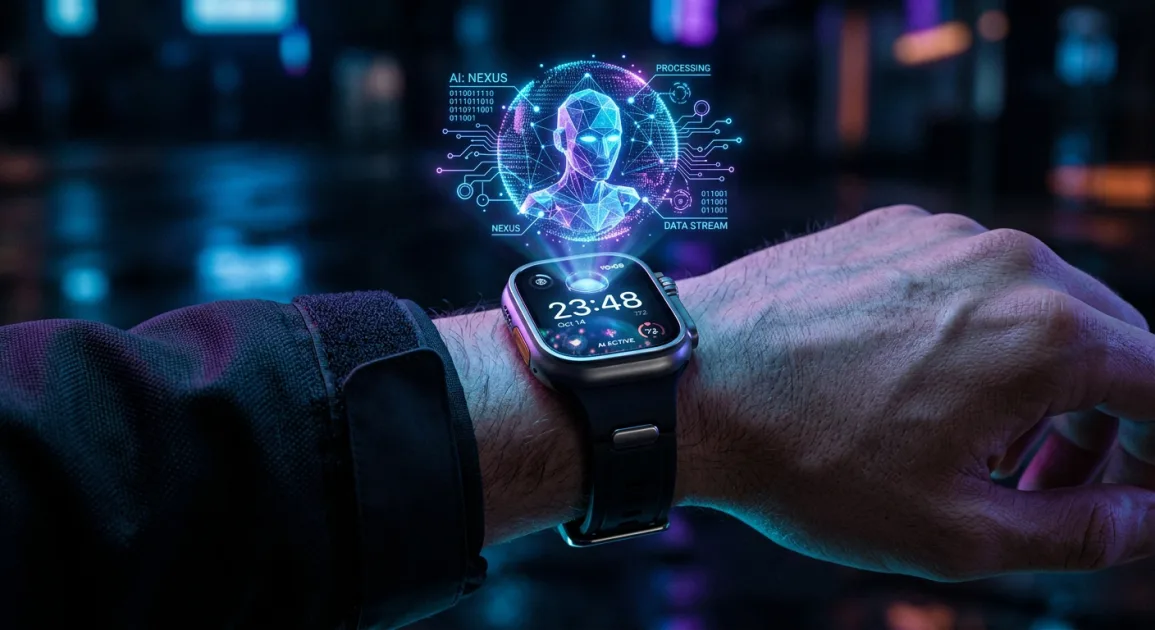
In 2025, a clinical study involving over 4,000 participants found that a leading AI wearable detected early signs of viral infection — including influenza and COVID variants — an average of 2.3 days before the wearer reported any symptoms at all.
The device was not doing anything magical. It was simply reading the body's first invisible responses to infection: a fractional elevation in resting heart rate, a subtle change in heart rate variability, a barely noticeable shift in overnight breathing patterns.
Sleep Is Where the Real Intelligence Happens
Most people think their health wearable works when they are active — tracking steps, counting calories, monitoring workouts. But the most powerful health data these devices collect comes when you are completely unconscious.
During sleep, your body operates without behavioral interference. Your heart rate, breathing rhythm, blood oxygen levels, and skin temperature all settle into patterns that reflect your true physiological state. AI systems analyzing this data can detect early signs of sleep apnea, atrial fibrillation, hormonal imbalances, and even early-stage metabolic disorders.
Samsung, Apple, and several dedicated health tech companies rolled out significantly upgraded sleep AI features in late 2025 and early 2026. The difference from earlier generations is not just sensitivity — it is the ability to connect sleep patterns to daytime performance predictions, giving users actionable insight the next morning about why they feel a certain way and what they can do about it.
The Gadget That Predicted a Heart Problem Three Weeks Early
In March 2026, a 44-year-old teacher in Toronto shared a detailed account that went widely circulated in health technology communities. Her AI wearable had been sending her gentle alerts for three weeks about unusual patterns in her heart rate variability during rest.
She had no symptoms. She felt completely normal. But the alerts persisted, and eventually she visited a cardiologist — more out of curiosity than concern. Tests revealed she had a developing arrhythmia that, left undetected, could have led to a serious cardiac event within months.
Her cardiologist told her that catching it at that stage was genuinely unusual. Without the wearable, she would not have sought medical attention until symptoms appeared — by which point the condition would have been significantly harder to treat.
This is not a one-off story. Cardiologists across North America and Europe have reported increasing numbers of patients arriving with early-stage diagnoses prompted entirely by AI wearable alerts.
Mental Health Monitoring Is the Frontier Nobody Expected
The next major battlefield for AI wearables is mental health, and the early results are both impressive and controversial. Researchers have found that patterns in heart rate variability, physical movement data, sleep disruption, and even typing speed on linked smartphones can together create a reliable signal for oncoming depressive episodes or anxiety spikes.
Several companies are now developing wearables specifically designed for mental health monitoring. The pitch is compelling: instead of waiting until a mental health crisis hits, the AI can detect the physiological precursors days in advance and prompt the user to take preventive action — reach out to a support person, adjust their schedule, practice specific breathing exercises.
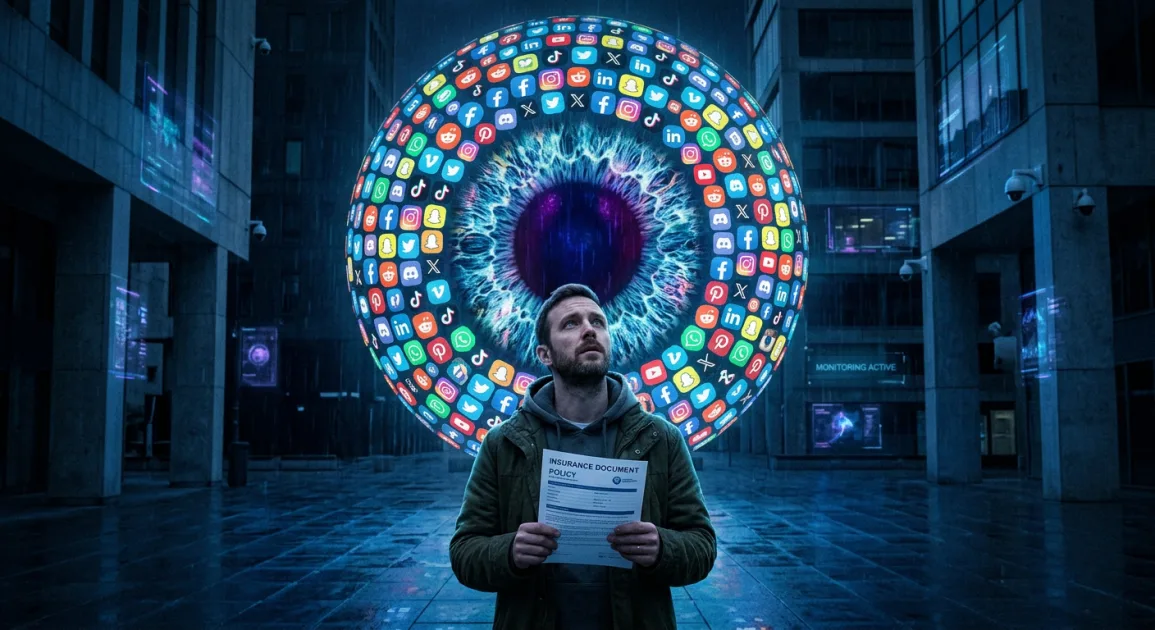
The controversy is equally significant. Mental health is deeply personal, and the idea of a device predicting your psychological state raises serious questions about data privacy, insurance implications, and the potential for algorithmic misdiagnosis to cause harm rather than prevent it.
Who Actually Owns Your Health Data Right Now
This is the question that most gadget buyers do not ask before they strap a device to their wrist, and it is arguably the most important question of all.
Your health data is extraordinarily valuable. Insurance companies, pharmaceutical firms, employers, and governments all have potential interest in knowing the detailed physiological patterns of individuals. The legal frameworks governing how wearable health data can be used vary dramatically by country, and in many places they have not kept pace with the technology at all.
In the United States, most wearable health data is not covered by HIPAA — the main medical privacy law — because it is not generated in a clinical setting. That means the company whose device sits on your wrist may have significant latitude to use, share, or sell patterns derived from your biological data in ways you did not fully anticipate when you clicked "agree" on their terms of service.
Reading those terms before purchasing a health wearable is no longer optional. It is a basic act of self-protection in 2026.
The Gadgets That Are Changing Everything Right Now
The current generation of health AI gadgets spans a wide range of form factors and price points. Smartwatches remain the dominant category, with flagship devices from major brands now incorporating advanced blood glucose estimation — a feature that was considered impossible in a consumer wearable just three years ago.
Smart rings have emerged as a serious alternative for people who prefer a less obtrusive form factor. These compact devices pack surprisingly powerful sensors and have shown particular strength in continuous monitoring scenarios where a watch might be taken off.
Biosensor patches — thin adhesive strips worn on the skin for days at a time — are gaining traction in clinical and semi-clinical settings. They offer the most continuous and accurate data collection of any consumer health device, and their AI integration is advancing rapidly.
What Your Doctor Actually Thinks About These Devices
The medical community's relationship with consumer health AI has evolved significantly over the past two years. The early skepticism — driven partly by concerns about false positives overwhelming clinical systems with worried patients — has given way to a more nuanced acceptance.
Many cardiologists, endocrinologists, and general practitioners now actively encourage their patients to use AI health wearables and to bring their data to appointments. The longitudinal data these devices provide — weeks or months of continuous biological monitoring — gives clinicians a picture of a patient's health that no single office visit could ever capture.
The challenge is standardization. Every device measures things slightly differently, uses different algorithms, and presents data in different formats. A doctor seeing data from six different patients with six different devices is essentially reading six different languages simultaneously.
Medical AI standardization is now one of the fastest-moving areas in health technology policy, with regulatory bodies in the US, EU, and UK all working on frameworks to bring consistency to how wearable health data gets validated and integrated into clinical care.
The Future That Is Already Arriving
Within the next two years, analysts expect AI health wearables to achieve continuous non-invasive blood pressure monitoring — a capability that would represent a genuine revolution for the hundreds of millions of people worldwide who manage hypertension.
Early hormone monitoring, continuous hydration tracking, and real-time inflammation markers are all in active development pipelines at multiple companies. The device on your wrist in 2028 will make today's most advanced smartwatch look like a basic pedometer.
The most important shift, though, is not in the sensors or the algorithms. It is in the relationship between people and their own bodies. For the first time in history, ordinary people have access to continuous, intelligent, personalized biological monitoring that was previously available only in hospital intensive care units.
Used wisely, with clear eyes about both its power and its limitations, this technology represents one of the most genuinely meaningful applications of AI in everyday life — a quiet revolution happening on millions of wrists, one heartbeat at a time.